
Web Design with Intuico Digital
Crafting intuitive, high-performance websites that connect brands with their audience.
Request Web Design Consultation
Website Design Built on Relationships
We like to run our business on relationships. We believe that the work done and client relations are the foundational building blocks to repeat business and long-term growth – NOT sales pitches. The team at Intuico Digital is truly passionate about website design. The level of personal attention given to each of our projects is one that we think you'll notice from day one on your project!
We've worked with businesses large and small, from west coast to east coast, to help bring their creative visions to life. We believe that a great website combines high-end technology, user experience, and marketing.

Why Choose Intuico Digital?
Tailored website design built for impact and growth.
Speed
Average of < 2 week development time, ensuring quick turnaround for your business needs.
Customization
Tailored solutions to match your unique brand identity and business goals.
SEO Optimization
Integrated SEO strategies to enhance your online visibility and drive organic traffic.
Support
Built to be easily editable by you, and we're always available for support. Text, Email, or Phone!
Web Design Portfolio
A gallery showcasing our website design projects
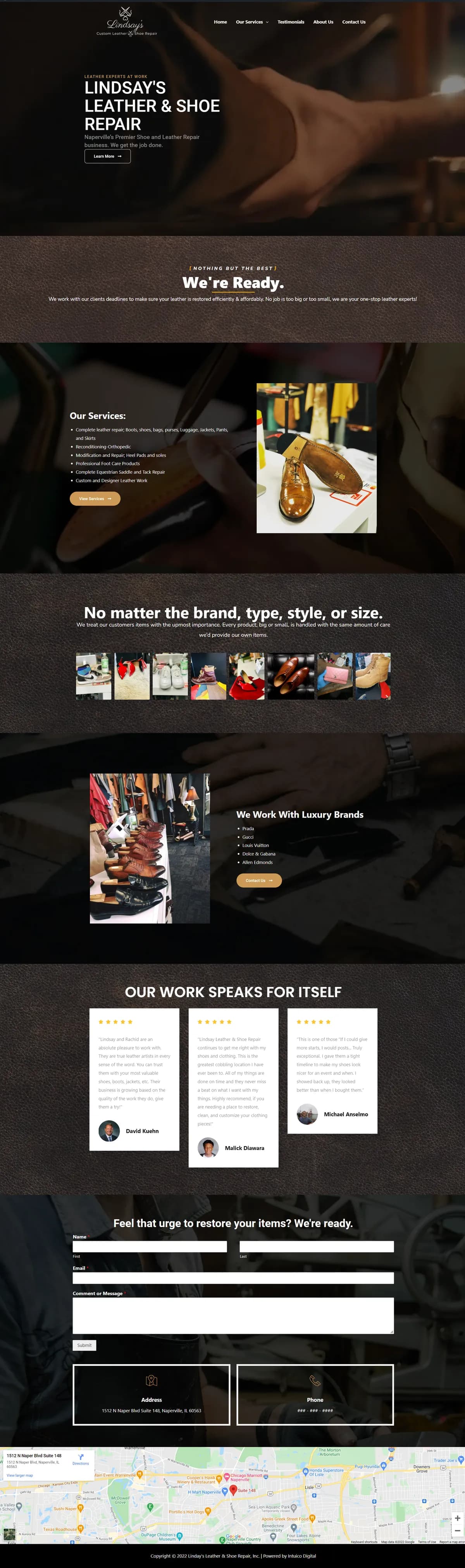
lindsey leather

Markio AI Website Builder
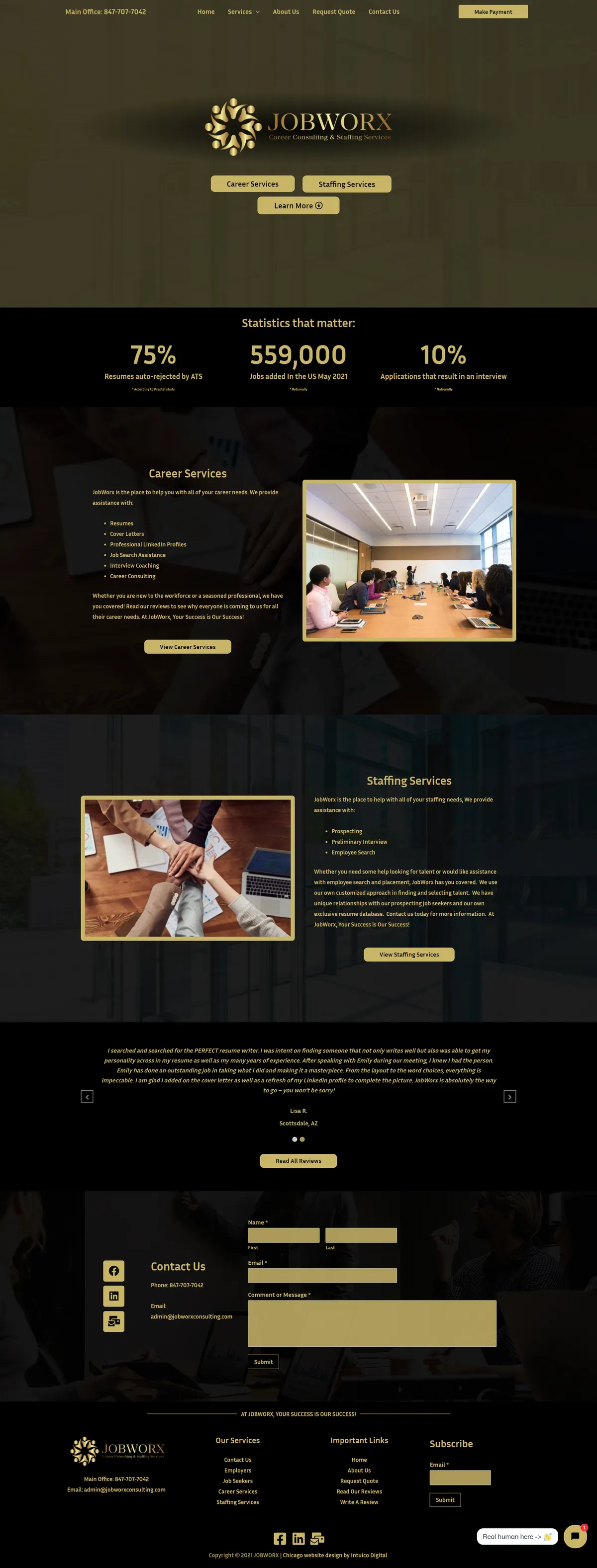
JobWorx Consulting

TryDrobe
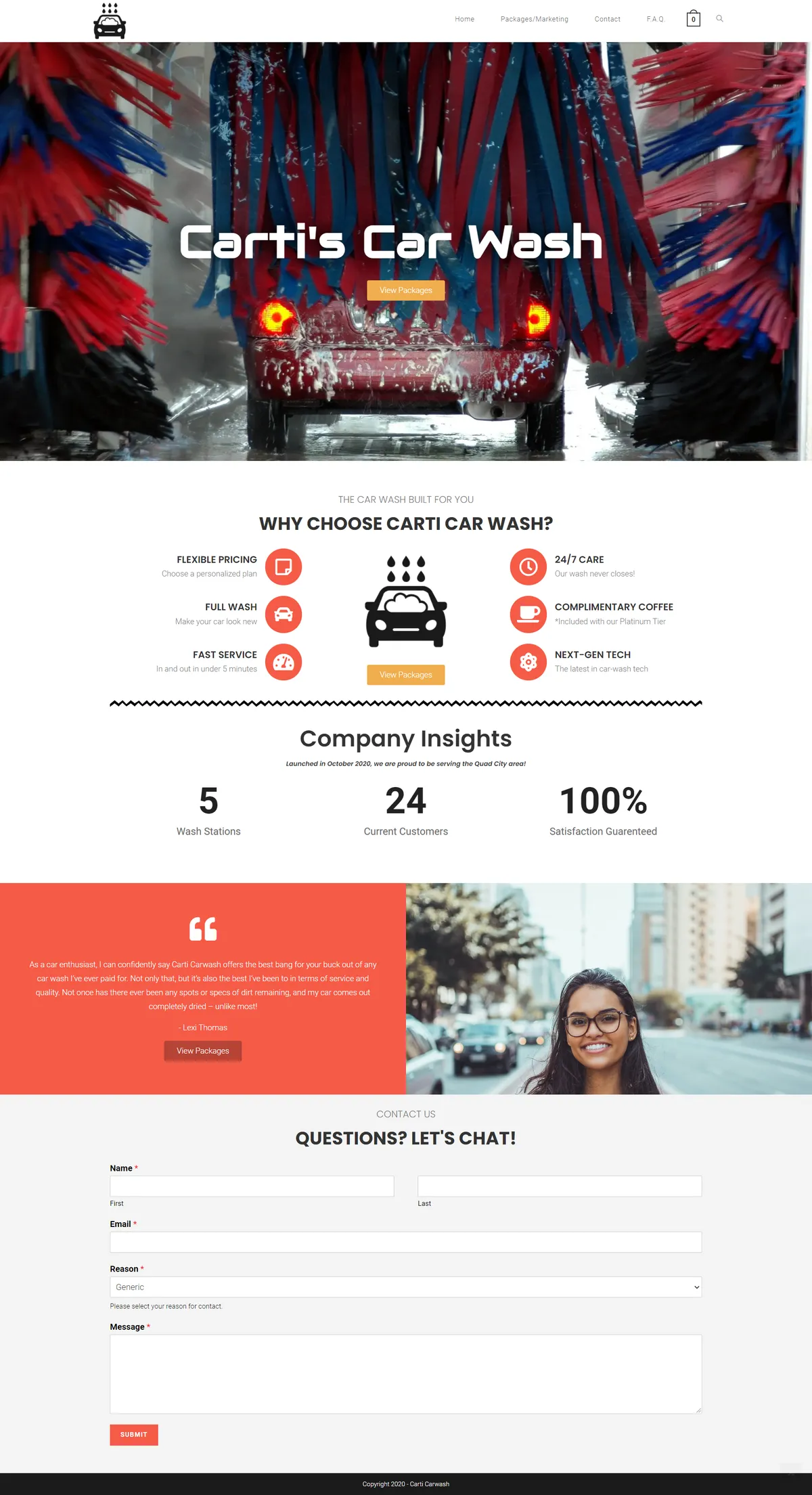
Cartis Car Wash

AutoFire
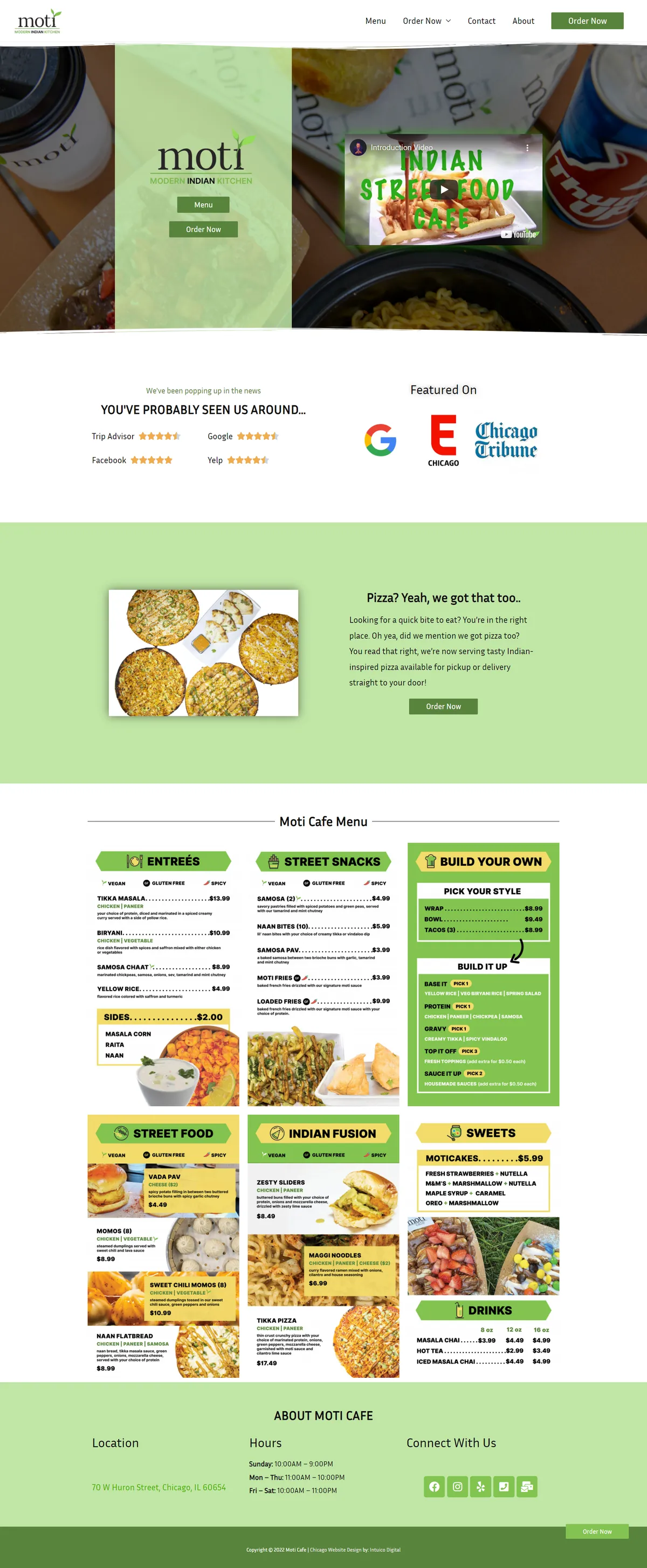
Moti Chicago
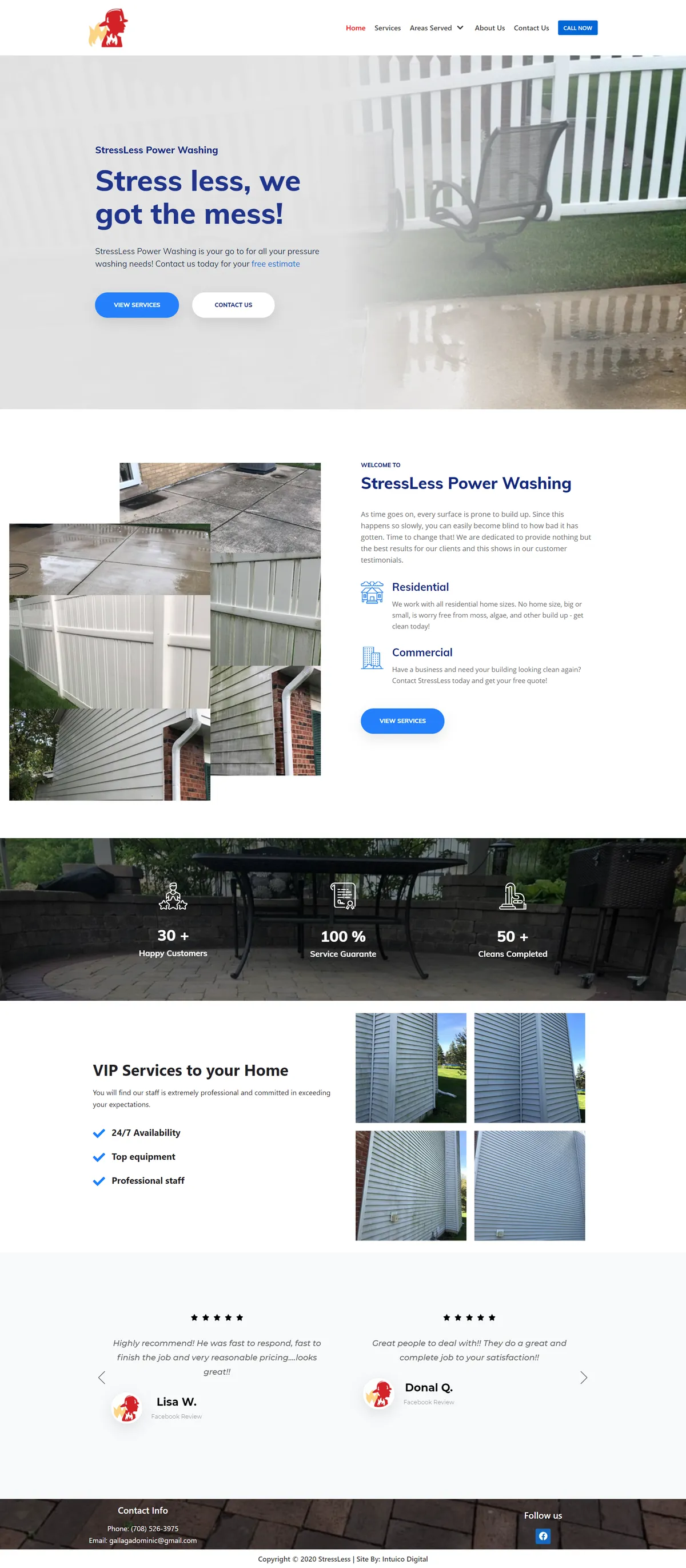
Stressless
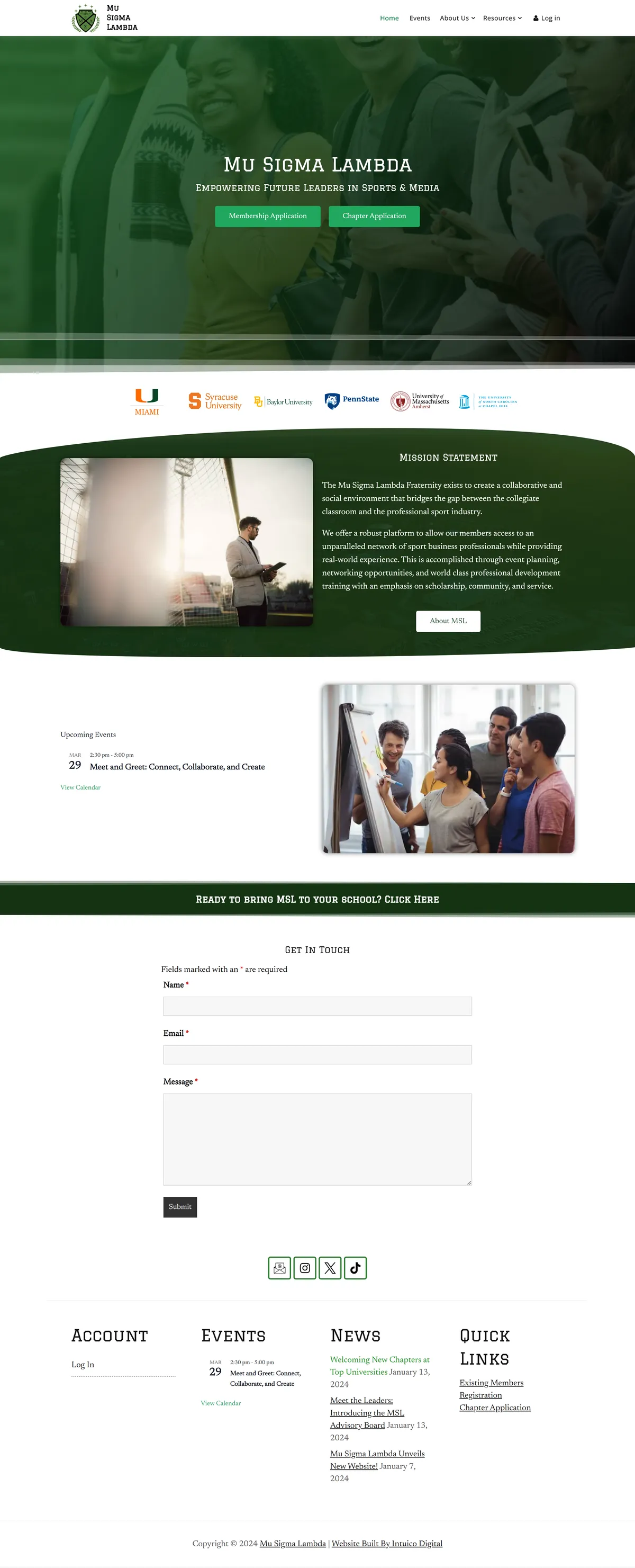
Mu Sigma Lambda
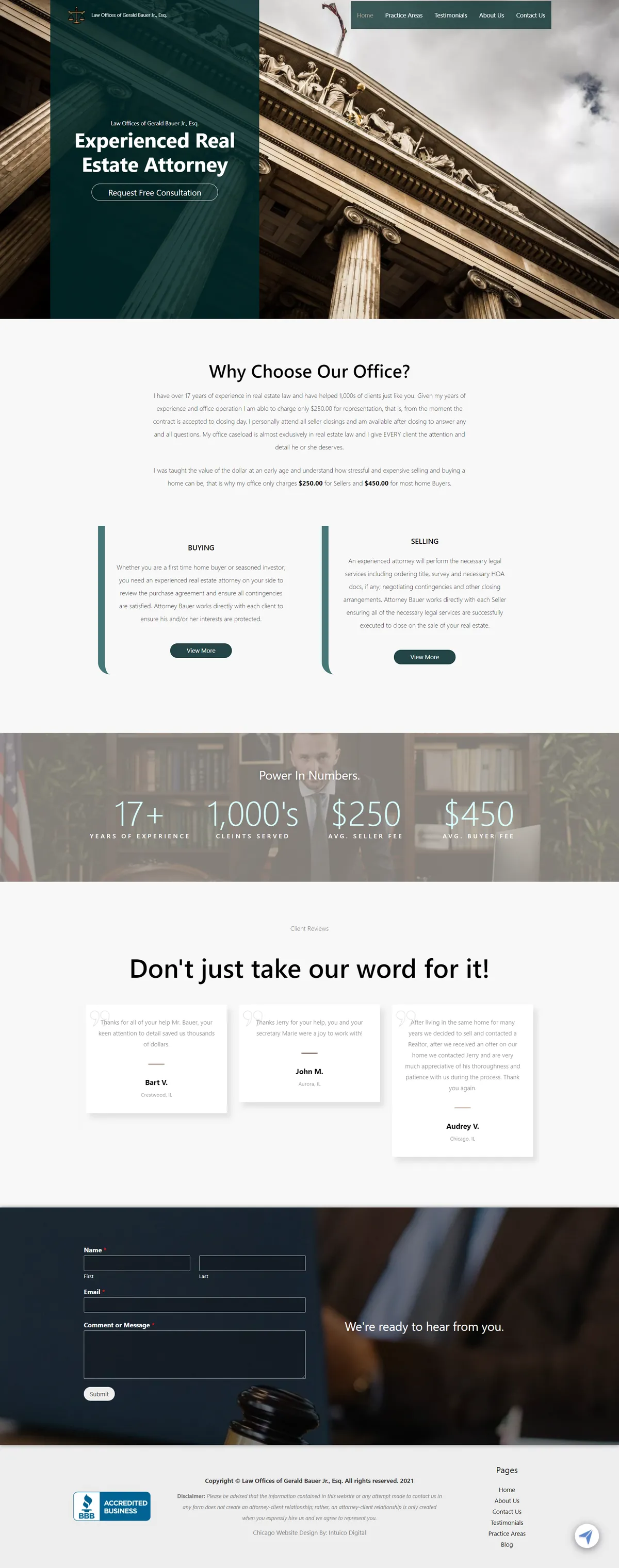
Bauer Law

Next Level QC
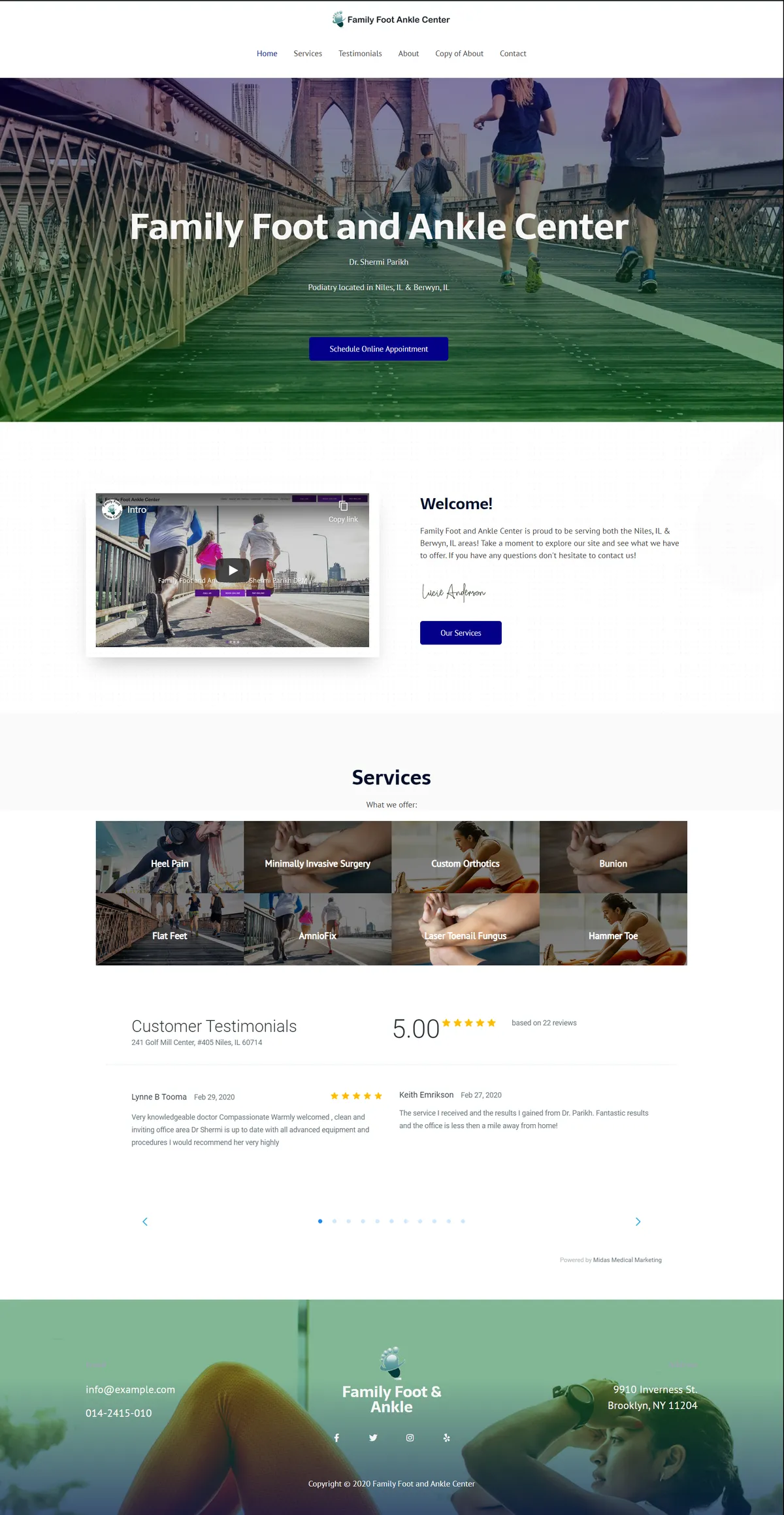
Family Foot & Ankle Center
Website Plans Built for Ongoing Growth
Most businesses do not just need a website. They need a site that stays online, loads fast, looks professional, captures leads, and is easy to maintain. That is why we offer managed website plans that include design, hosting, maintenance, and support — without requiring a large upfront investment. Choose a simple monthly plan, or work with us on a custom website build if your business needs something more advanced.
Website Plans
Design, hosting, maintenance, and support bundled into one simple monthly plan — or a custom build for more advanced needs.
Starter Website Plan
+ $199 one-time setup
Best for small businesses that need a clean, professional online presence without a large upfront website cost.
- Basic site — up to 2–3 pages
- Preset design (content edits only)
- Hosting + SSL included
- Mobile-responsive design
- Contact form
- Basic on-page SEO
- Google Business Profile setup
- Monthly maintenance & security updates
- Up to 30 minutes of content edits per month
Minimum 12-month agreement.
Growth Website Plan
+ $299 one-time setup
Best for businesses that want a larger website with smarter tools built in.
Everything in Starter, plus:
- Up to 4–5 pages
- AI website chatbot
- Google Analytics integration
- Up to 60 minutes of content edits per month
Custom Website Build
+ monthly care plan
Best for businesses that need a more developed site: custom design, advanced pages, booking flows, e-commerce, integrations, or conversion strategy.
- Fully custom design & build
- Advanced pages & functionality
- Booking, e-commerce & integrations
- Conversion-focused strategy
- Monthly care plans from $199/mo
Monthly care plans start at $199/mo.
Pricing note: Starter and Growth plans use preset designs — monthly edit time covers your site content, not design changes. Monthly plans include hosting, maintenance, and support. If you want a fully custom design or advanced functionality, that is what our Custom Website Build is for. Contact us for a personalized quote.
Need something more advanced? Contact us for a custom website build.
Common Questions
Answers to frequently asked questions about our web design process.
Our managed website plans start at $199/mo plus a one-time setup fee, and include hosting, maintenance, and support. Larger custom builds start at $2,500+ paired with a monthly care plan. Every quote depends on the size, features, and functionality you need, and each plan includes a video meeting to go over your goals. We will ask lots of questions to ensure that your site is what you're looking for. Not sure where to start? That's fine too!
The average site build takes anywhere from 2-3 weeks including client review + revisions – but this depends on the project size and pace set by each client. Many things can make this process faster, or slower, such as how much insight you can offer initially, feedback, and how soon content is provided.
No! Although our origins are from Chicago, our website design team works with clients all over the USA. You can get in contact with us through our direct support line, email, and zoom meetings.
Yes. Our managed monthly plans include hosting, SSL, maintenance, and support. If you prefer to manage your own hosting, we can also quote a custom build separately.
Yes. Maintenance is included in our monthly website plans. Each plan includes a set amount of monthly content-edit time, and additional requests can be billed separately. Design changes beyond content are handled through our custom build services.
For most new sites, we use WordPress as it is the best content management system and is responsible for powering 42% of the world wide web. If you do happen to have a preferred specific platform that you're emotionally tied to, such as Shopify, that is also an option.
Yes! While some companies charge extra for this, we do not. Given that the percent of mobile vs desktop users is growing further and further apart (in favor of mobile), it's vital to your business that your site is built with a "mobile-friendly" approach.
We believe that if you are building a site on wix that you do not take your business seriously. Okay, we're kidding (slightly). However, a powerful custom tailored website will provide you with more flexibility in terms of how you push your branding, give a better user experience to your visitors, and rank higher in search engines – if you care about that sort of thing.
Contact us about your project (current or new) either through our contact form, phone line, or email at hello@intuicodigital.com. Let's chat!
Ready to Elevate Your Web Presence?
Let's discuss how our custom web design solutions can help your business achieve its online goals.
Get a Free Consultation